2026-10-11 · Gary Watson
How to Troubleshoot No-Heat Issues in Colorado Springs During Cold Snaps
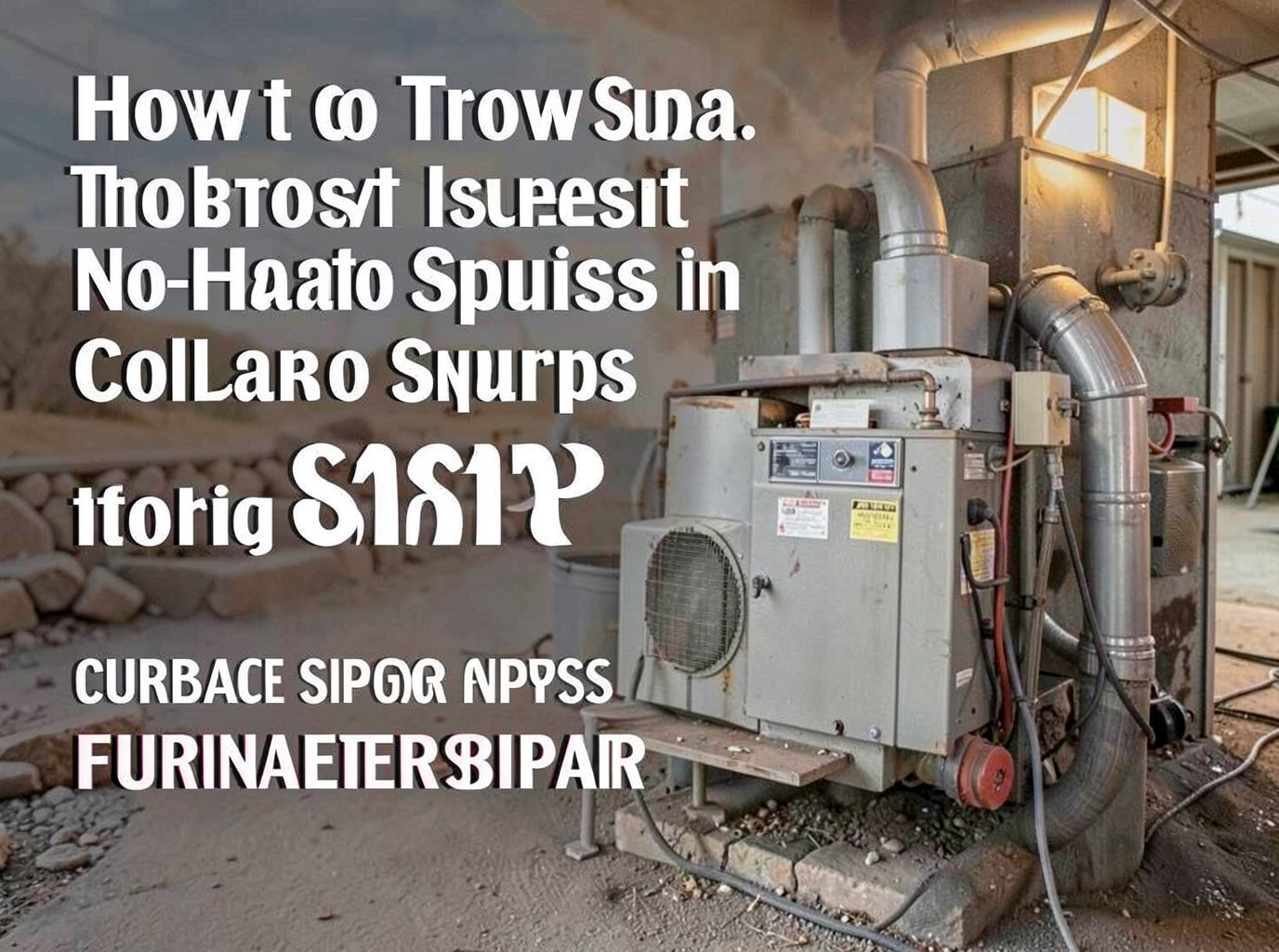
When your furnace stops producing heat during a Colorado Springs cold snap, the immediate concern is how to get it running again. Before calling for professional help, there are several troubleshooting steps you can take that often resolve common no-heat issues. These include checking your thermostat settings, ensuring the furnace switch is on, inspecting the circuit breaker, and replacing dirty air filters. Many times, these simple checks can quickly restore heat to your home, whether you're in Old Colorado City, Broadmoor, or Briargate. Given our semi-arid high-plains climate and the rapid temperature drops we experience, especially with winds coming off Pikes Peak, a proactive approach to furnace issues is crucial for comfort and safety in El Paso County.
Check Your Thermostat Settings and Power
The first and most common culprit for a furnace not heating is an incorrect thermostat setting or a power issue. Ensure your thermostat is set to 'Heat' and the temperature is at least 5 degrees Fahrenheit above the current room temperature. Sometimes, the thermostat’s batteries might be dead, especially in older models common in areas like Manitou Springs. Replace them if necessary. For digital thermostats, a quick reset can often resolve minor glitches. Also, confirm the furnace itself has power. There's usually a light switch on or near the furnace unit that looks like a regular light switch; make sure it's in the 'On' position. It's surprising how often this switch gets accidentally flipped off, particularly in utility areas or basements.
Inspect Your Circuit Breaker and Emergency Shut-Off
If your thermostat seems fine and the furnace switch is on, the next step is to check your home's electrical panel. A tripped circuit breaker can cut power to your furnace, especially during a power surge or if the furnace motor draws too much current. Locate the breaker labeled for your furnace (it might say 'Furnace,' 'HVAC,' or 'Heater') and flip it completely off, then firmly back on. Do not just push it slightly. Additionally, most furnaces have an emergency shut-off switch, often located at the top of the basement stairs or near the furnace in a utility closet. This switch, usually red, is a safety measure. Make sure it's in the 'On' position. These checks are crucial, particularly in older homes around Old Colorado City or neighborhoods near the Olympic Training Center, where electrical systems might be more prone to minor issues.
Replace Dirty Air Filters
A clogged air filter is one of the most frequent causes of furnace problems, leading to reduced airflow and potential overheating, which can cause the furnace to shut down as a safety measure. In our dusty semi-arid climate, especially with winds that pick up dust from the plains or around Garden of the Gods, furnace filters can get dirty quickly. A dirty filter restricts airflow, making your furnace work harder and less efficiently. Check your filter monthly and replace it every 1 to 3 months, or more frequently if you have pets or allergies. A clean filter ensures proper airflow, which is vital for both heating efficiency and the longevity of your furnace components. You can find more detailed information on this topic in our article, Why Furnace Filters Clog Faster Near Pikes Peak and How to Stay Ahead.
Check for Blocked Vents and Registers
Once you've addressed the power and filter, walk through your home and ensure all heating vents and registers are open and unobstructed. Furniture, rugs, or even toys can accidentally block these crucial outlets, preventing warm air from circulating effectively. If enough vents are blocked, it can create back pressure in the ductwork, potentially causing the furnace to short cycle or even overheat and shut down. This is especially important in larger homes found in areas like Briargate or Rockrimmon, where there are more zones and potential for blockages. Adequate airflow throughout your entire duct system is essential for your furnace to operate efficiently and heat your home evenly.
Examine the Pilot Light or Ignition System
For older gas furnaces, particularly those found in some of the more established parts of Colorado Springs, a common no-heat issue is a pilot light that has gone out. The pilot light is a small, continuous flame that ignites the main burners. If it's out, your furnace won't produce heat. Consult your furnace's manual for instructions on how to safely relight it. Modern furnaces, however, use an electronic ignition system (either a hot surface igniter or an intermittent pilot). If you have a newer model and hear clicking but no flame, the igniter might be faulty or dirty. This is typically a job for a professional, but knowing the difference can help you describe the problem accurately if you need to call for Gas Furnace Repair.